Product Description
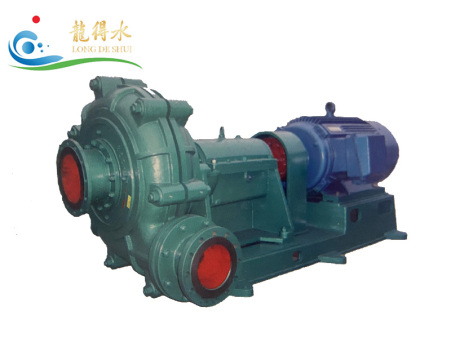
The DS series multi-purpose mud and sand pump is a single-stage, single suction, centrifugal pump, divided into 4 inches, 8 inches, 1 inch, 12 inches, and 14 inches according to the outlet diameter. 16 inch, 18 inch, 20 inch and other major series with multiple specifications. This pump has innovations in hydraulic design and structural design. The flow passage components are made of wear-resistant high chromium alloy casting, which has the characteristics of energy saving, wear resistance, and reliable operation. It is suitable for conveying strongly abrasive mortar, grout, ore tunnels, etc. containing solid particles. The solid-liquid mixture concentration conveyed can reach 60%, making it an ideal sand pumping and conveying equipment. Users can use single or multiple machines in series operation according to actual working conditions to achieve long-distance construction. Widely used in sand pumping, national land reclamation, power fly ash transportation, metallurgical industry tailings transportation, etc. 1. DS series multi-purpose mud and sand pump: The pump body adopts an inner and outer double-layer metal structure, the pump casing is vertically split, and the outlet position is installed by rotating at intervals of 45. 2. Shaft seals can be classified into three types based on different working conditions: secondary impeller shaft seals, packing shaft seals, and mechanical seals. 3. Adopting a closed impeller, it has good wear resistance and high pump efficiency.
Installation & Maintenance Notes
- 1 Before first start-up, check the motor rotation direction and make sure it matches the pump direction.
- 2 Every time before starting, turn the shaft by hand through one full revolution — it must turn freely without jamming or rubbing.
- 3 Keep a 2–3 mm clearance at the coupling.
- 4 Grease the bearings regularly every shift.
Related Products
Hydraulic Sand Pump
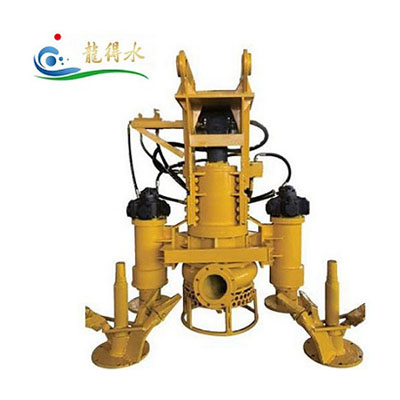
Selection of hydraulic sediment pump: 1. Select the pump type according to the actual flow rate, head, and delivery distance required for the operating conditions, and calculate the required hydraulic power based on the motor power of the pump type; 2. The hydraulic power calculated based on the selected pump type matches the hydraulic oil station that can meet the hydraulic power requirements; 3. Calculate the actual output power of the excavator hydraulic system and select the appropriate pump type; 4. Customized modifications can also be made according to specific customer requirements (such as screw type, rake suction type, bucket wheel type). Drive mode: hydraulic drive Material used: high chromium wear-resistant alloy Additional mixing: dual agitator type, single twist cage
NL80-300-11 Vertical Slurry Pump
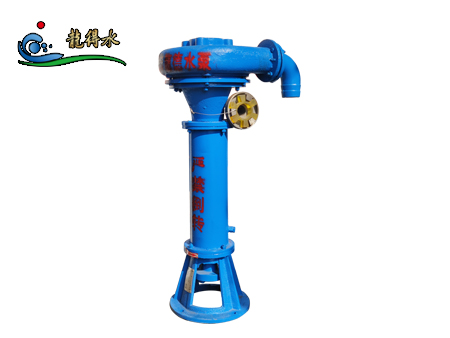
Attention: 1. Before starting up, test the motor rotation direction, which should be consistent with the pump rotation direction before starting up. 2. Rotate the pump manually for one week before each start-up, and only start when there is no jamming or grinding. 3. Leave a gap of 2-3 millimeters between the couplings. 4. Add butter on time for each shift. This pump has the advantages of long service life, simple structure, and reliable performance. The sealing type is oil seal type, and the overcurrent components have two types: ordinary wear-resistant and high wear-resistant. Note: Two leaves with a particle size of 70 millimeters.
6PS-30 Diesel Engine Horizontal Pump
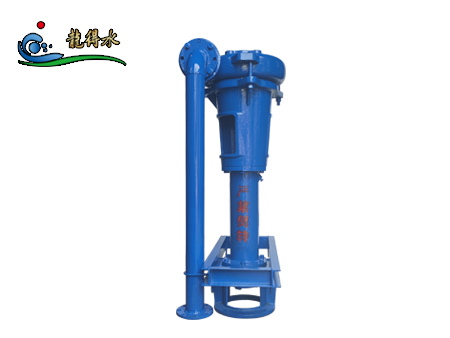
3PNL-22 Vertical Slurry Pump
Attention: 1. Before starting up, test the motor rotation direction, which should be consistent with the pump rotation direction before starting up. 2. Rotate the pump manually for one week before each start-up, and only start when there is no jamming or grinding. 3. Leave a gap of 2-3 millimeters between the couplings. 4. Add butter on time for each shift. This pump has the advantages of long service life, simple structure, and reliable performance. The sealing type is oil seal type, and the overcurrent components have two types: ordinary wear-resistant and high wear-resistant. Note: Two leaves with a particle size of 70 millimeters.