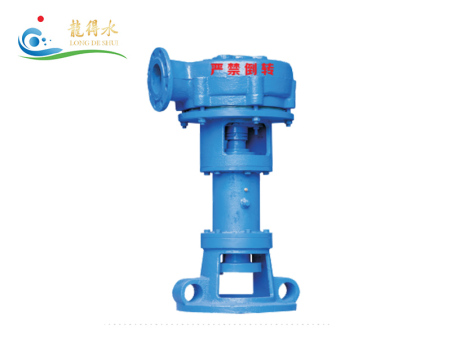
Product Description
Note 1: Before starting up, test the motor rotation direction, which should be consistent with the pump rotation direction before starting up; 2. Rotate the pump manually for one week before each start-up, and only start when there is no jamming or grinding; 3. Leave a gap of 2-3 millimeters between the couplings. 4. Add butter on time for each shift.
Technical Specifications
| Technical Parameter | Value |
|---|---|
| Model | 100PNLSDX(MS)-300-30 |
| Flow rate | 200 m³/h |
| Head | 28 m |
| Speed | 1480 r/min |
| Power | 30 kW |
| Series | PNLSDX(MS) vertical wear-resistant sand & mud pump |
Installation & Maintenance Notes
- 1 Before first start-up, check the motor rotation direction and make sure it matches the pump direction.
- 2 Every time before starting, turn the shaft by hand through one full revolution — it must turn freely without jamming or rubbing.
- 3 Keep a 2–3 mm clearance at the coupling.
- 4 Grease the bearings regularly every shift.
Related Products
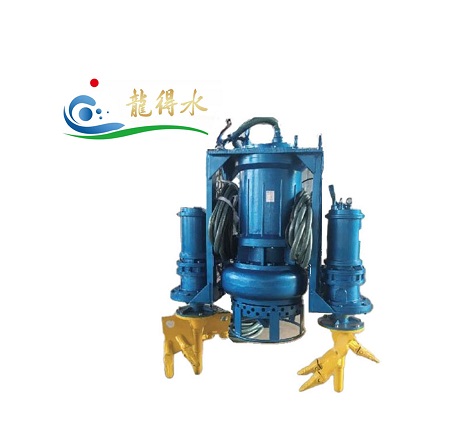
ZJQ Series Submersible Slurry Pump
The ZJQ series submersible slurry pump is a hydraulic machinery that operates coaxially with a motor and a water pump submerged in a medium. The flow channel is wide, the discharge capacity is high, and the wear and corrosion resistance are strong. It is mainly used for the removal and transportation of slurry liquids in metallurgy, mining, power plants, chemical industry, dredging, and reclamation projects. It is an ideal substitute for traditional slurry pumps. Main features of the product: 1. Not limited by suction distance, high slag suction efficiency, and more thorough dredging. 2. No need to equip an auxiliary vacuum pump, lower investment. 3. No need to equip auxiliary mixing devices, easier to operate. 4. The equipment operates underwater without noise or vibration, and the site is cleaner
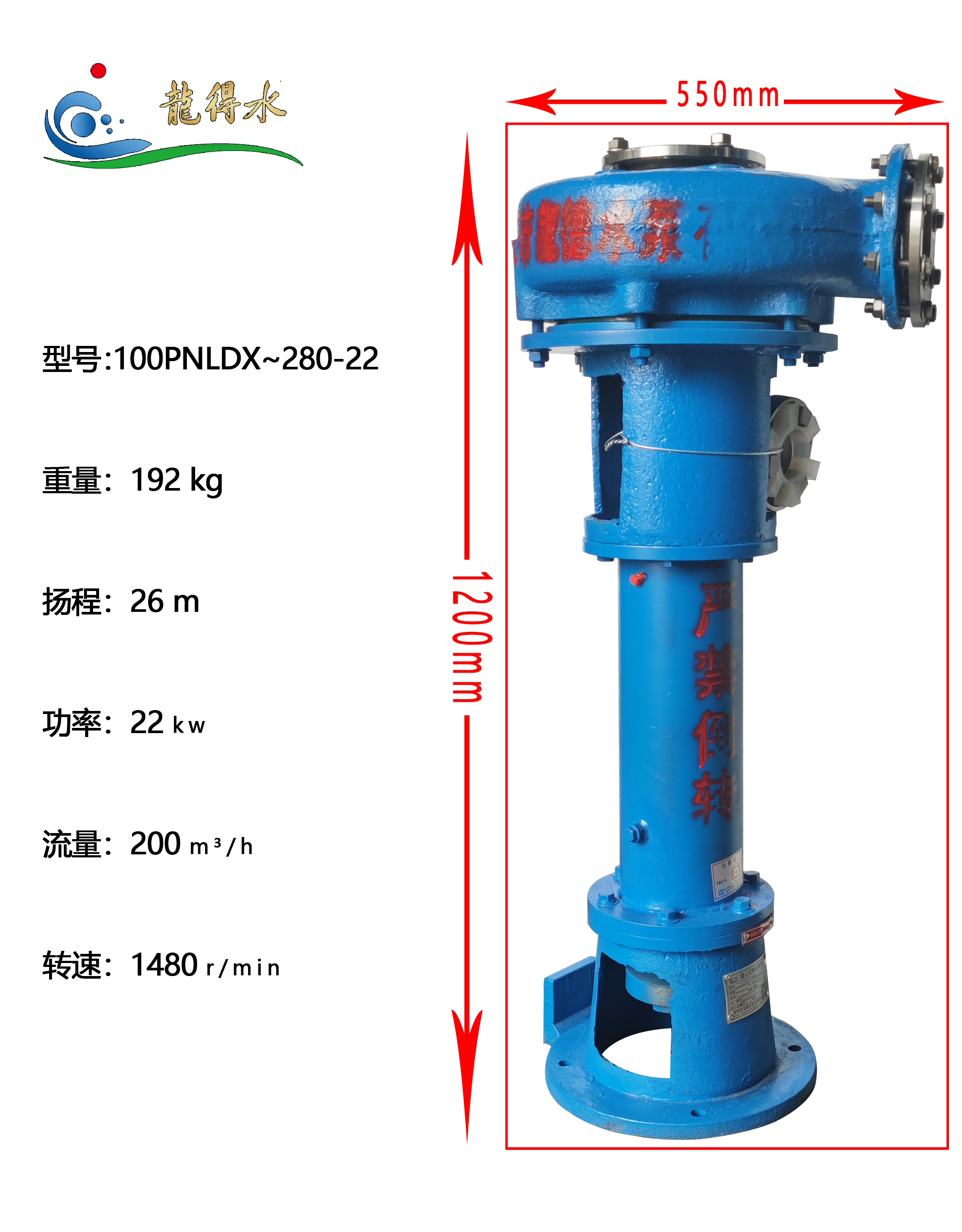
100PNLDX-280-22 Vertical Slurry Pump
Attention: 1. Before starting up, test the motor rotation direction, which should be consistent with the pump rotation direction before starting up. 2. Rotate the pump manually for one week before each start-up, and only start when there is no jamming or grinding. 3. Leave a gap of 2-3 millimeters between the couplings. 4. Add butter on time for each shift. This pump has the advantages of long service life, simple structure, and reliable performance. The sealing type is oil seal type, and the overcurrent components have two types: ordinary wear-resistant and high wear-resistant. Note: Two leaves with a particle size of 70 millimeters.
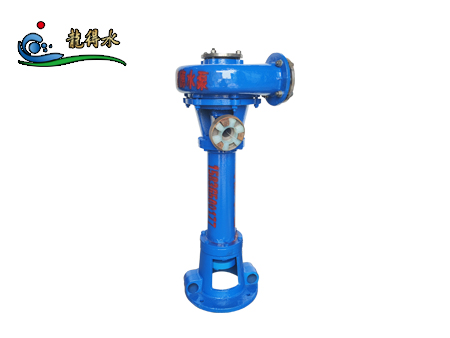
100PNLMS-15 Vertical Pump
Attention: 1. Before starting up, test the motor rotation direction, which should be consistent with the pump rotation direction before starting up. 2. Rotate the pump manually for one week before each start-up, and only start when there is no jamming or grinding. 3. Leave a gap of 2-3 millimeters between the couplings. 4. Add butter on time for each shift. This pump has the advantages of long service life, simple structure, and reliable performance. The sealing type is oil seal type, and the overcurrent components have two types: ordinary wear-resistant and high wear-resistant. Note: Two leaves with a particle size of 70 millimeters.
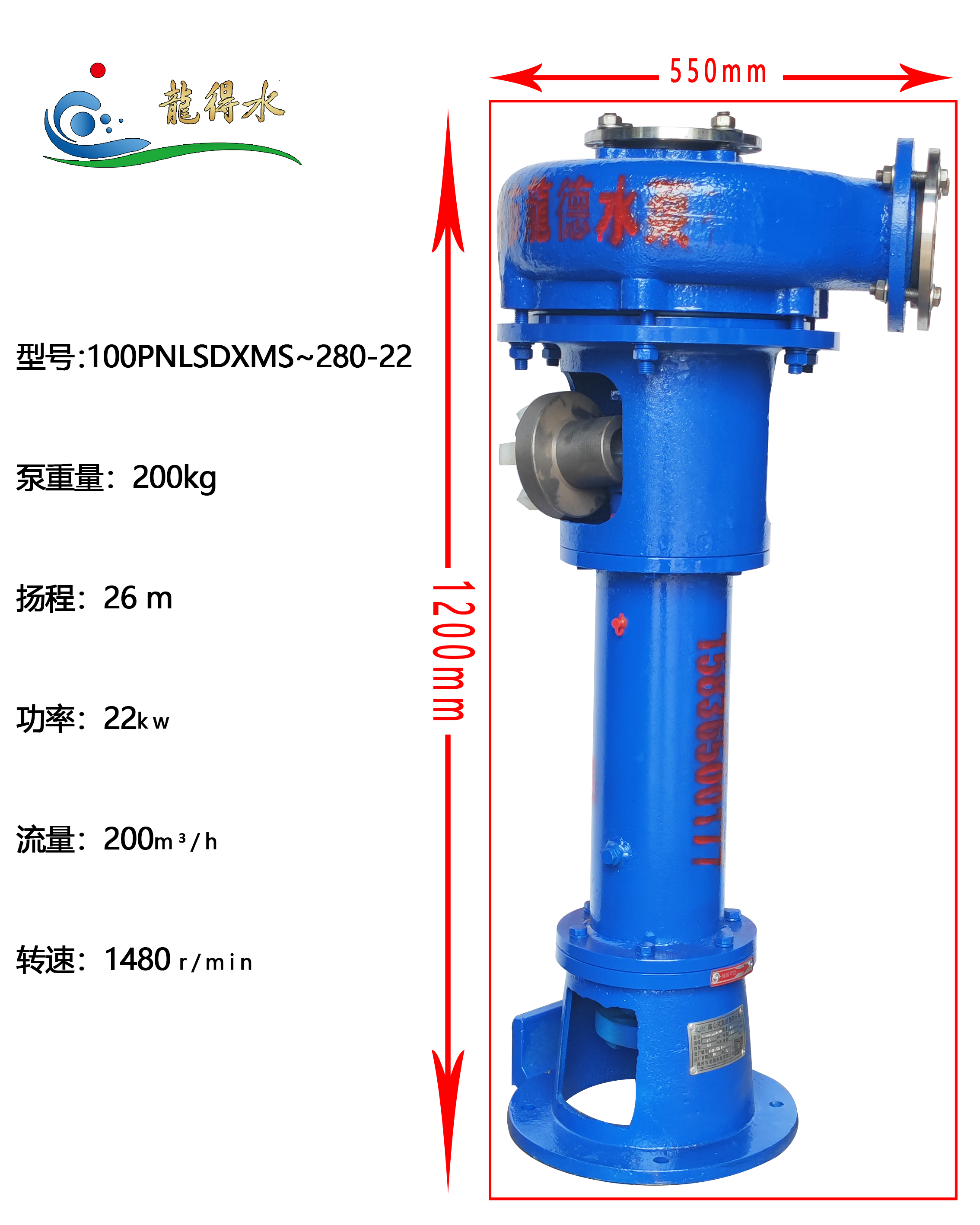
100PNLSDXMS-280-22 Vertical Pump
Attention: 1. Before starting up, test the motor rotation direction, which should be consistent with the pump rotation direction before starting up. 2. Rotate the pump manually for one week before each start-up, and only start when there is no jamming or grinding. 3. Leave a gap of 2-3 millimeters between the couplings. 4. Add butter on time for each shift. This pump has the advantages of long service life, simple structure, and reliable performance. The sealing type is oil seal type, and the overcurrent components have two types: ordinary wear-resistant and high wear-resistant. Note: Two leaves with a particle size of 70 millimeters.