Descripción del producto
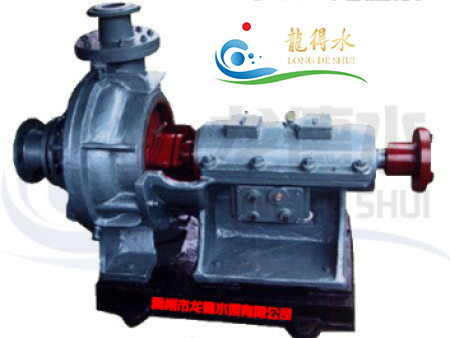
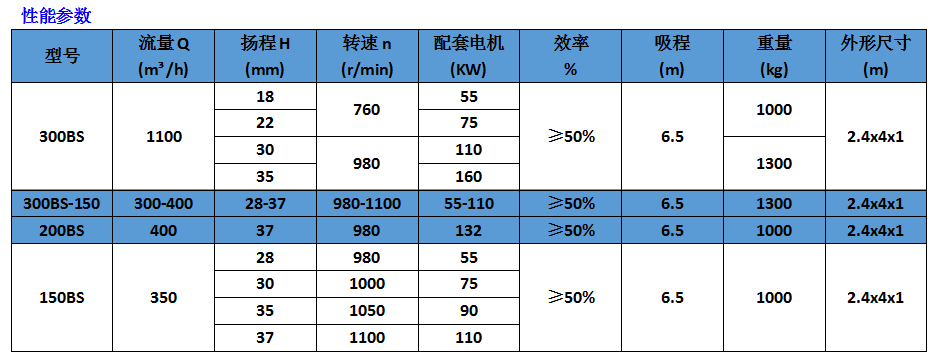
Usage and scope of application: BS series sand and gravel mud pump has the advantages of small volume, light weight, simple structure, easy maintenance, and large energy-saving range. There are three types: water injection type, oil seal type, and mechanical seal type. The overcurrent components are made of ordinary wear-resistant, medium wear-resistant, and high wear-resistant materials. It is mainly used as a supporting product for earthwork transportation and pressure boosting systems in sand fields and river dredging projects, as well as for basic construction drilling rigs in industrial, mining, and national defense construction. It is suitable for transporting liquids with large particles of sediment or other suspended solids at temperatures below 60 ℃. The conveying concentration shall not exceed 60% (by weight). Inspection before and after starting and stopping the pump for repair and maintenance: 1. Rotate each coupling evenly. 2. Check all oil gauges and observe if the oil level is within the specified range. 3. Check if the electric rotation direction is consistent with the rotation direction of the pump, and it is strictly prohibited to reverse the water pump. Inspection during operation: 1. Regularly check the oil level on the oil gauge and keep it between high and low levels. 2. If any abnormal noise is detected during operation, the vehicle must be stopped immediately to investigate the cause. 3. After every 1000 hours of operation, the pump should be inspected as scheduled and parts should be replaced in a timely manner. 4. Pay attention to the bearing temperature, the temperature rise should generally not exceed 65 ℃, and the temperature should be within 75 ℃. 5. Regularly check the lubricating oil. New products should be replaced with new oil after 100 hours of operation within one month of use, and every 1000 hours of operation thereafter.
Installation & Maintenance Notes
- 1 Before first start-up, check the motor rotation direction and make sure it matches the pump direction.
- 2 Every time before starting, turn the shaft by hand through one full revolution — it must turn freely without jamming or rubbing.
- 3 Keep a 2–3 mm clearance at the coupling.
- 4 Grease the bearings regularly every shift.
Productos relacionados
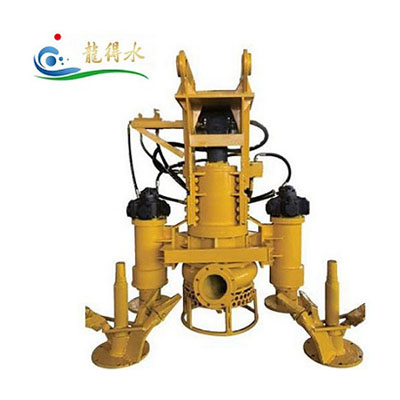
Pumpa de arena hidráulica
Selección de bombas hidráulicas de sedimentos: 1. Seleccione el tipo de bomba según el caudal real, la altura y la distancia de entrega requeridos para las condiciones de operación, y calcule la potencia hidráulica necesaria en función de la potencia del motor del tipo de bomba; 2. La potencia hidráulica calculada según el tipo de bomba seleccionado coincide con la estación de aceite hidráulico que puede satisfacer los requisitos de potencia hidráulica; 3. Calcule la potencia de salida real del sistema hidráulico de la excavadora y seleccione el tipo de bomba adecuado; 4. Modificaciones personalizadas también pueden realizarse según los requisitos específicos del cliente (como tipo tornillo, tipo succión de rastrillo, tipo rueda de cubo). Modo de accionamiento: accionamiento hidráulico. Material utilizado: aleación resistente al desgaste con alto contenido de cromo. Mezcla adicional: tipo agitador doble, tipo jaula de torsión única.
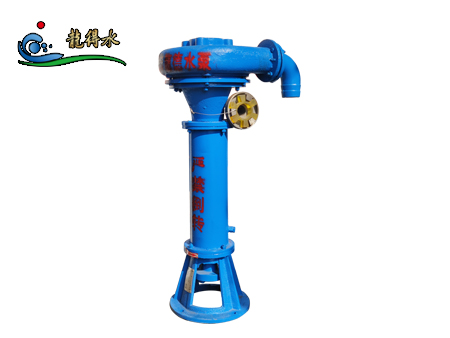
NL80-300-11 Bomba de lodo vertical
Atención: 1. Antes de poner en marcha, compruebe la dirección de rotación del motor, que debe coincidir con la dirección de rotación de la bomba antes del arranque. 2. Gire manualmente la bomba durante una semana antes de cada puesta en marcha y solo inicie cuando no haya atascos ni rozaduras. 3. Dejar un espacio de 2-3 milímetros entre los acoplamientos. 4. Añada mantequilla a tiempo para cada turno. Esta bomba tiene las ventajas de una larga vida útil, estructura simple y rendimiento confiable. El tipo de sellado es de tipo aceite, y los componentes de sobrecorriente tienen dos tipos: resistente al desgaste ordinario y de alta resistencia al desgaste. Nota: Dos hojas con un tamaño de partícula de 70 milímetros.
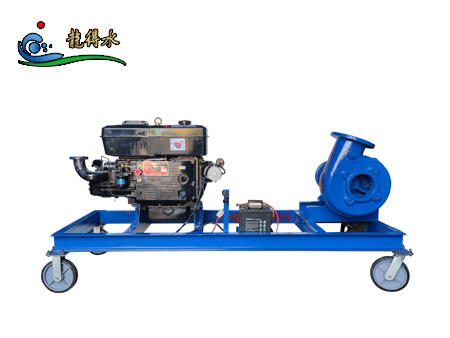
6PS-30 Bomba Horizontal de Motor Diésel
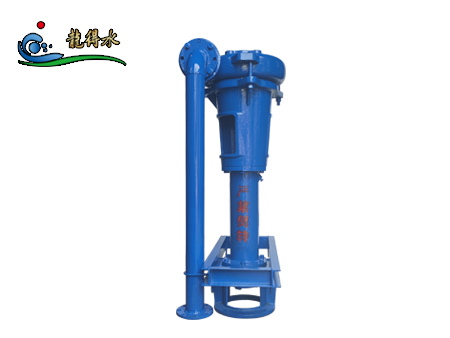
3PNL-22 Bomba de lodo vertical
Atención: 1. Antes de poner en marcha, verifique la dirección de rotación del motor, que debe coincidir con la dirección de rotación de la bomba antes del arranque. 2. Gire manualmente la bomba durante una semana antes de cada arranque y solo inicie cuando no haya atascos o rozaduras. 3. Dejar un espacio de 2-3 milímetros entre los acoplamientos. 4. Añada mantequilla a tiempo para cada turno. Esta bomba tiene las ventajas de una larga vida útil, estructura simple y rendimiento confiable. El tipo de sellado es de tipo aceite, y los componentes de sobrecorriente tienen dos tipos: resistente al desgaste ordinario y resistente al desgaste alto. Nota: Dos hojas con un tamaño de partícula de 70 milímetros.