Product Description
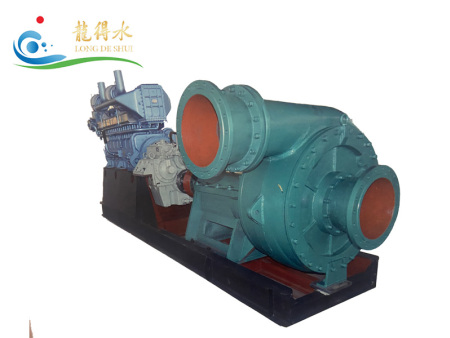
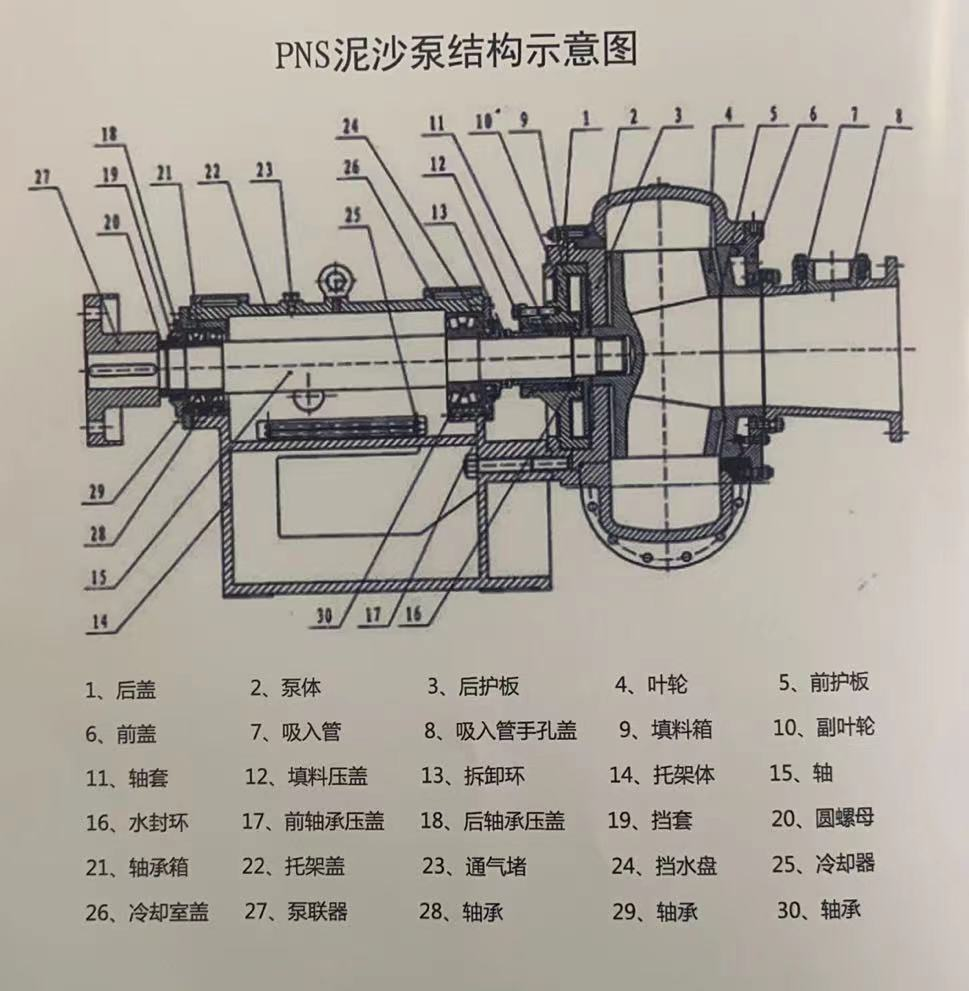
1. After fixing the water pump in the workplace, it is necessary to first check whether the main shaft of the prime mover and the water pump shaft are on the same axis. If they are not on the same axis, otherwise loosen the anchor bolts of the water pump and make adjustments again. After confirming that there are no errors, tighten the bolts again and fix them firmly. 2. The inlet and outlet pipelines of the pump should be supported by a support ring to prevent the gravity of the pipeline from being applied to the pump body. The pipeline installation should extend outward from the pump inlet and outlet flanges, and support positioning should be immediately done. The inlet and outlet of the pump should have soft connections as much as possible to reduce vibration. 3. Before starting up, please check if the inlet and outlet pipes are blocked and if lubricating oil has been added; Check if the packing is full. 4. When working with sediment, a high-pressure clean water pump should be equipped to deliver clean water greater than the pressure of the sediment pump to the leak proof packing material for protection. Do not turn off the flushing water when the pump is working, otherwise the wear of the packing will accelerate. 5. The uniformity of the gap between the impeller and the guard plate has a significant impact on the lifespan of the sediment pump. The gap is unreasonable, causing varying degrees of vibration and noise during pump operation. When replacing the impeller, attention should be paid to the gap between the impeller and the guard plate. Minimize the gap between the impeller and the front guard plate as much as possible. When adjusting the clearance, you can first loosen the large screw on the bearing body cover, and then adjust it through the adjusting bolt under the bracket body (some pump types adjust the adjusting bolt on the bearing pressure cover), so that the bearing body and impeller can move forward and backward as a whole. When disassembling the impeller, remove the disassembly ring to easily remove the impeller. 6. The allowable suction range of the water pump is measured when conveying clean water, and the influence of sediment density on the suction capacity should be considered when suctioning sediment. Try to lower the installation position of the pump as much as possible. 7. Regularly check and add lubricating oil. 8. When abnormal vibration, noise, and high bearing temperature occur during pump operation, the machine should be stopped immediately for inspection.
Installation & Maintenance Notes
- 1 Before first start-up, check the motor rotation direction and make sure it matches the pump direction.
- 2 Every time before starting, turn the shaft by hand through one full revolution — it must turn freely without jamming or rubbing.
- 3 Keep a 2–3 mm clearance at the coupling.
- 4 Grease the bearings regularly every shift.
Related Products
Hydraulic Sand Pump
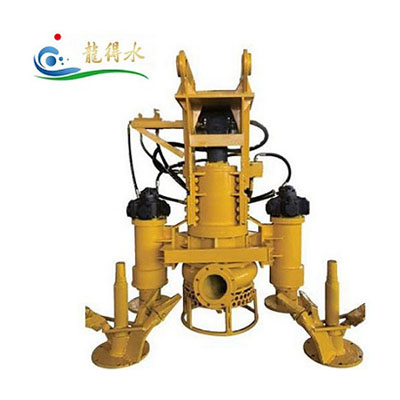
Selection of hydraulic sediment pump: 1. Select the pump type according to the actual flow rate, head, and delivery distance required for the operating conditions, and calculate the required hydraulic power based on the motor power of the pump type; 2. The hydraulic power calculated based on the selected pump type matches the hydraulic oil station that can meet the hydraulic power requirements; 3. Calculate the actual output power of the excavator hydraulic system and select the appropriate pump type; 4. Customized modifications can also be made according to specific customer requirements (such as screw type, rake suction type, bucket wheel type). Drive mode: hydraulic drive Material used: high chromium wear-resistant alloy Additional mixing: dual agitator type, single twist cage
NL80-300-11 Vertical Slurry Pump
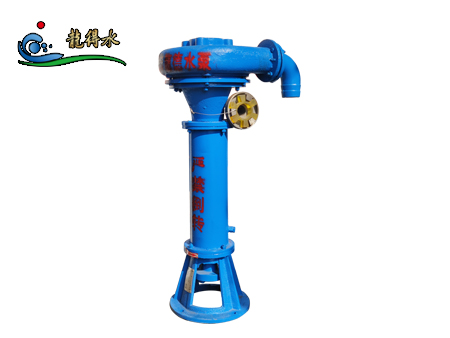
Attention: 1. Before starting up, test the motor rotation direction, which should be consistent with the pump rotation direction before starting up. 2. Rotate the pump manually for one week before each start-up, and only start when there is no jamming or grinding. 3. Leave a gap of 2-3 millimeters between the couplings. 4. Add butter on time for each shift. This pump has the advantages of long service life, simple structure, and reliable performance. The sealing type is oil seal type, and the overcurrent components have two types: ordinary wear-resistant and high wear-resistant. Note: Two leaves with a particle size of 70 millimeters.
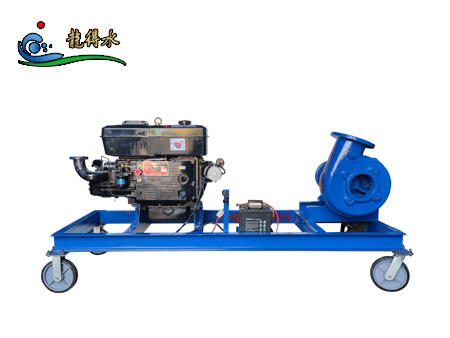
6PS-30 Diesel Engine Horizontal Pump
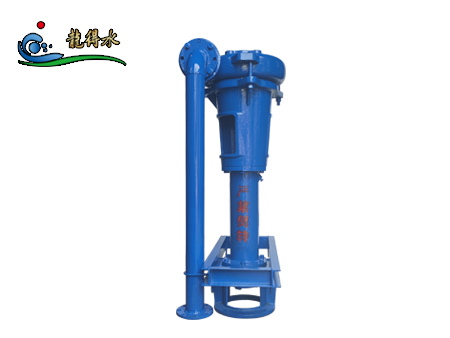
3PNL-22 Vertical Slurry Pump
Attention: 1. Before starting up, test the motor rotation direction, which should be consistent with the pump rotation direction before starting up. 2. Rotate the pump manually for one week before each start-up, and only start when there is no jamming or grinding. 3. Leave a gap of 2-3 millimeters between the couplings. 4. Add butter on time for each shift. This pump has the advantages of long service life, simple structure, and reliable performance. The sealing type is oil seal type, and the overcurrent components have two types: ordinary wear-resistant and high wear-resistant. Note: Two leaves with a particle size of 70 millimeters.