Description du produit
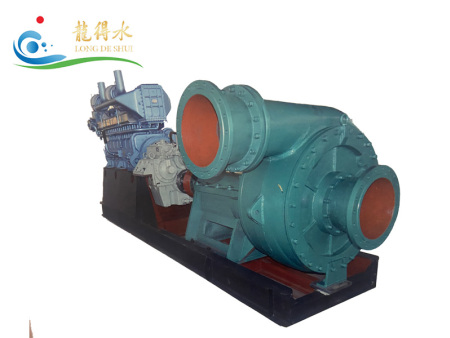
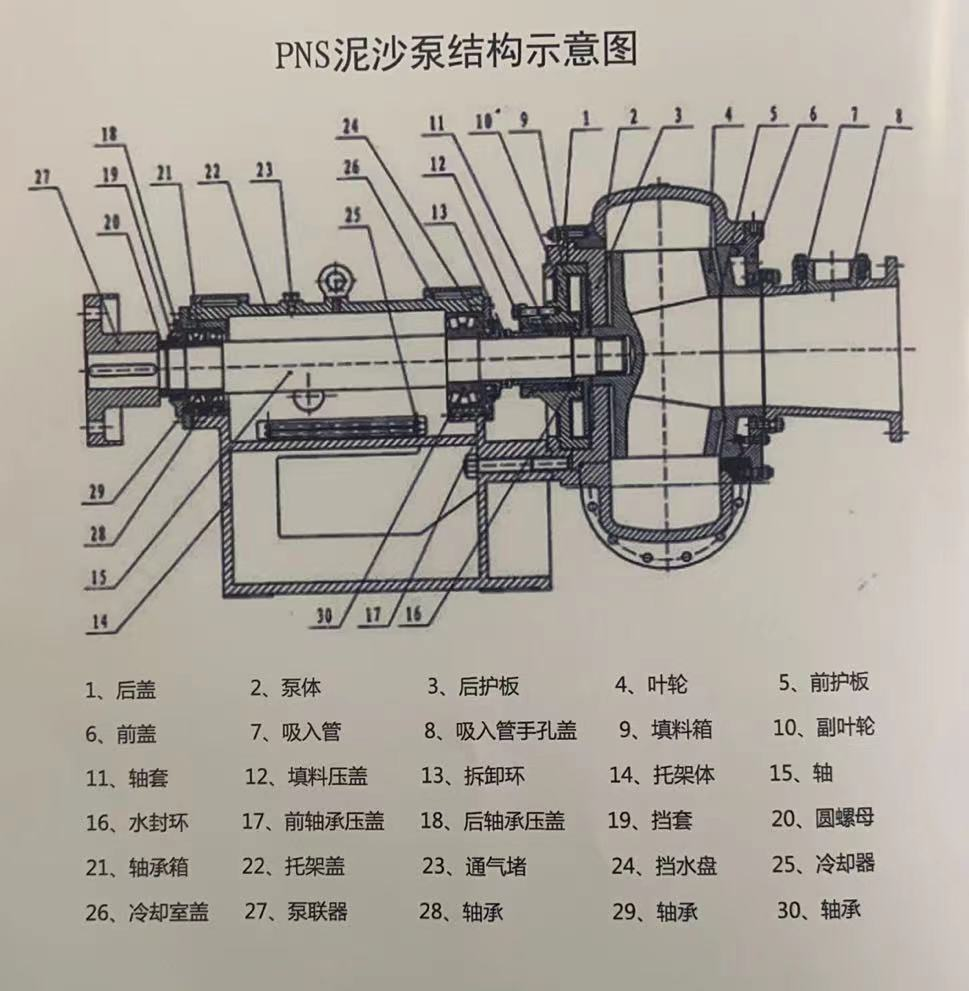
1. After fixing the water pump in the workplace, it is necessary to first check whether the main shaft of the prime mover and the water pump shaft are on the same axis. If they are not on the same axis, otherwise loosen the anchor bolts of the water pump and make adjustments again. After confirming that there are no errors, tighten the bolts again and fix them firmly. 2. The inlet and outlet pipelines of the pump should be supported by a support ring to prevent the gravity of the pipeline from being applied to the pump body. The pipeline installation should extend outward from the pump inlet and outlet flanges, and support positioning should be immediately done. The inlet and outlet of the pump should have soft connections as much as possible to reduce vibration. 3. Before starting up, please check if the inlet and outlet pipes are blocked and if lubricating oil has been added; Check if the packing is full. 4. When working with sediment, a high-pressure clean water pump should be equipped to deliver clean water greater than the pressure of the sediment pump to the leak proof packing material for protection. Do not turn off the flushing water when the pump is working, otherwise the wear of the packing will accelerate. 5. The uniformity of the gap between the impeller and the guard plate has a significant impact on the lifespan of the sediment pump. The gap is unreasonable, causing varying degrees of vibration and noise during pump operation. When replacing the impeller, attention should be paid to the gap between the impeller and the guard plate. Minimize the gap between the impeller and the front guard plate as much as possible. When adjusting the clearance, you can first loosen the large screw on the bearing body cover, and then adjust it through the adjusting bolt under the bracket body (some pump types adjust the adjusting bolt on the bearing pressure cover), so that the bearing body and impeller can move forward and backward as a whole. When disassembling the impeller, remove the disassembly ring to easily remove the impeller. 6. The allowable suction range of the water pump is measured when conveying clean water, and the influence of sediment density on the suction capacity should be considered when suctioning sediment. Try to lower the installation position of the pump as much as possible. 7. Regularly check and add lubricating oil. 8. When abnormal vibration, noise, and high bearing temperature occur during pump operation, the machine should be stopped immediately for inspection.
Installation & Maintenance Notes
- 1 Before first start-up, check the motor rotation direction and make sure it matches the pump direction.
- 2 Every time before starting, turn the shaft by hand through one full revolution — it must turn freely without jamming or rubbing.
- 3 Keep a 2–3 mm clearance at the coupling.
- 4 Grease the bearings regularly every shift.
Produits associés
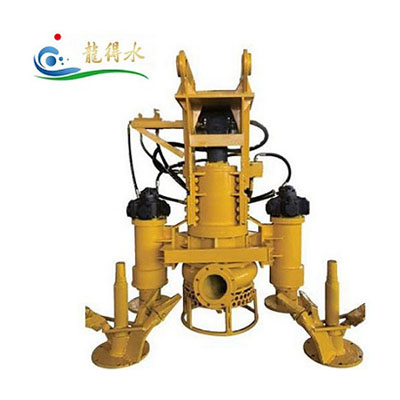
Pompe à sable hydraulique
Sélection de la pompe à sédiments hydraulique : 1. Sélectionnez le type de pompe en fonction du débit réel, de la hauteur manométrique et de la distance de livraison nécessaires aux conditions de fonctionnement, et calculez la puissance hydraulique requise en fonction de la puissance du moteur du type de pompe ; 2. La puissance hydraulique calculée en fonction du type de pompe sélectionné correspond à l'unité de distribution d'huile hydraulique capable de répondre aux exigences de puissance hydraulique. 3. Calculez la puissance réelle de sortie du système hydraulique de l'excavatrice et sélectionnez le type de pompe approprié; 4. Des modifications personnalisées peuvent également être effectuées selon les exigences spécifiques des clients (telles que le type vis, le type aspiration à raclage, le type roue à godets). Mode d'entraînement : hydraulique. Matériau utilisé : alliage résistant à l'usure au chrome élevé. Mélange supplémentaire : type agitateur double, cage à torsion unique.
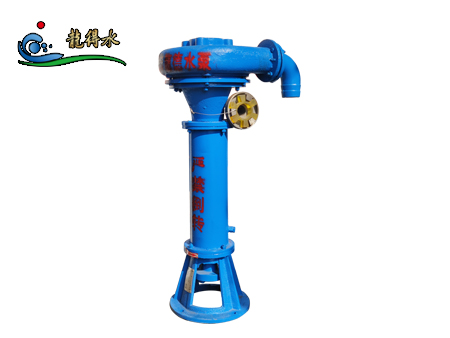
Pompe à boue verticale NL80-300-11
Attention : 1. Avant de mettre en marche, vérifiez le sens de rotation du moteur, qui doit être cohérent avec le sens de rotation de la pompe avant le démarrage. 2. Tournez la pompe manuellement pendant une semaine avant chaque mise en marche, et ne démarrez qu'en l'absence de blocage ou d'usure. 3. Laissez un espace de 2 à 3 millimètres entre les raccords. 4. Ajoutez de la graisse à temps pour chaque équipe. Cette pompe présente les avantages d'une longue durée de vie, d'une structure simple et d'une performance fiable. Le type d'étanchéité est de type joint d'huile, et les composants de surintensité sont de deux types : résistance au usure ordinaire et haute résistance au usure. Remarque : Deux feuilles avec une taille de particule de 70 millimètres.
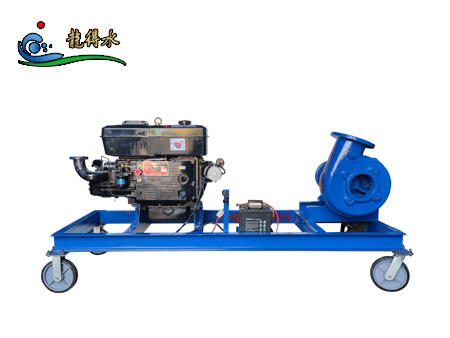
6PS-30 Pompe horizontale à moteur diesel
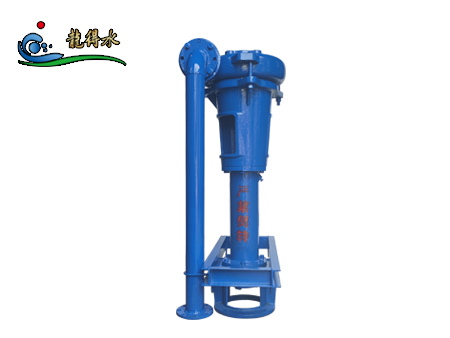
3PNL-22 Pompe de boues verticale
Attention : 1. Avant de démarrer, vérifiez le sens de rotation du moteur, qui doit être cohérent avec le sens de rotation de la pompe avant le démarrage. 2. Tournez la pompe manuellement pendant une semaine avant chaque démarrage, et ne démarrez qu'en l'absence de blocage ou de ralentissement. 3. Laissez un espace de 2 à 3 millimètres entre les accouplements. 4. Ajoutez de la graisse à temps pour chaque équipe. Cette pompe présente les avantages d'une longue durée de vie, d'une structure simple et d'une performance fiable. Le type d'étanchéité est de type joint d'huile, et les composants de surcharge sont de deux types : résistance à l'usure ordinaire et haute résistance à l'usure. Remarque : Deux feuilles avec une taille de particule de 70 millimètres.